
Before hitting the woods this fall, make sure you have the correct hunting license and are up to date on the most recent regulations.
Hunting small game in North Carolina is a popular outdoor activity that requires understanding the specific licensing requirements set by the state. Whether you are a resident or a nonresident, knowing which permits and licenses you need is essential to ensure a legal and enjoyable hunting experience. This guide will walk you through the necessary steps and regulations to obtain the proper North Carolina Small Game license and related permits.
To hunt small game in North Carolina, most hunters need a valid hunting license issued by the North Carolina Wildlife Resources Commission. Some hunters are license-exempt, such as qualifying landowners and lessees on their own land, certain active-duty military on leave, and youth under age 16 who meet North Carolina’s supervision or certification requirements.
Here is what you need to know:
Ensuring you have the correct license and have met education requirements is the first step toward a lawful small game hunting season in North Carolina.
While the standard hunting license covers most small game hunting activities, certain species or hunting methods may require additional permits or stamps. For example, hunters pursuing waterfowl (ducks, geese, and brant) must have a North Carolina hunting license, the N.C. Waterfowl Privilege, a Federal Migratory Bird Hunting and Conservation Stamp (Duck Stamp), and HIP certification. Hunters pursuing other migratory game birds such as dove or woodcock need a hunting license and HIP certification but do not need a Duck Stamp.
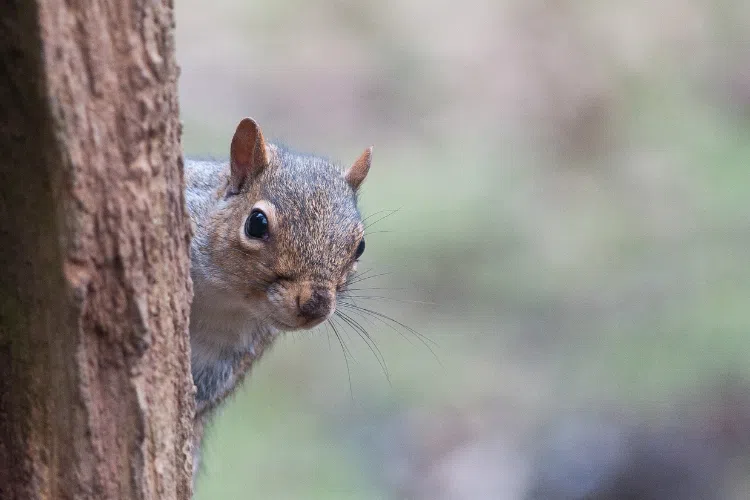
For small game species such as squirrels, rabbits, and quail, no special tags or lottery permits are typically required. However, hunters should be aware of the following:
Always verify the latest requirements on the North Carolina Wildlife Resources Commission website to ensure compliance with any updates or changes.
The Small Game hunting season in North Carolina typically runs from early fall through late winter, with specific dates varying by species and region. For example, gray and red squirrel season currently runs from mid-October through late February, rabbit season also runs from mid-October through late February, and quail season opens in late November and closes in late February.
Season dates can also differ based on the weapon type used, such as archery or firearm, and by hunting zone within the state. It is crucial to consult the official North Carolina Wildlife Resources Commission website for the most accurate and up-to-date season dates before planning your hunt.
Following the official season dates ensures that your hunting activities are legal and sustainable for wildlife populations.
North Carolina enforces daily bag limits and legal hunting methods to promote responsible small game hunting. These limits help maintain healthy populations and fair hunting opportunities.
Legal hunting methods include the use of firearms, archery equipment, and certain types of shotguns, with restrictions on caliber and ammunition types to ensure ethical hunting practices. The use of electronic calls or baiting may be regulated or prohibited depending on the species and location.
Hunters should always review the official regulations published by the North Carolina Wildlife Resources Commission to confirm bag limits, weapon restrictions, and other legal considerations before heading afield.
Small game hunting opportunities abound across North Carolina, including on public lands such as Wildlife Management Areas (WMAs), national forests, and state parks that permit hunting. These areas provide managed habitats and regulated hunting zones to support sustainable wildlife populations.
Hunters may also pursue small game on private lands with the explicit permission of the landowner. It is important to secure written consent and understand any property-specific rules before hunting on private property.
The North Carolina Wildlife Resources Commission offers detailed public land hunting maps and tools on their website, which can help hunters locate suitable areas for small game hunting throughout the state.
North Carolina requires most people who purchase a hunting license on or after July 1, 2013 to either complete a hunter education course, hold a N.C. hunting heritage apprentice permit, or already have a N.C. hunting license issued before July 1, 2013. This course covers essential topics such as firearm safety, wildlife conservation, hunting ethics, and state regulations.
There are exceptions for hunters under a certain age or those hunting under direct supervision of a licensed adult. However, completing hunter education is strongly encouraged for all hunters to promote safe and responsible hunting practices.
For more information and to find approved hunter education courses, visit https://www.ncwildlife.gov/hunting/hunter-education or https://recademics.com/hunting/North Carolina.
You can purchase your North Carolina hunting license for Small Game through the North Carolina Wildlife Resources Commission. Licenses are available both online and in person at authorized vendors such as sporting goods stores and wildlife offices.
To buy online, visit the official state wildlife agency website where you can create an account, select the appropriate license type, and complete your purchase securely. In-person purchases allow you to get immediate assistance and physical documentation if needed.
For detailed step-by-step instructions and additional information on obtaining your hunting license, refer to the comprehensive guide at https://recademics.com/blog/hunting/how-to-get-a-hunting-license-in-North Carolina/.
In most cases, yes—you need a valid North Carolina hunting license to pursue small game. However, some hunters are license-exempt, such as qualifying landowners and lessees on their own land, certain active-duty military on leave, and youth under age 16 who meet North Carolina’s supervision or certification requirements.
Generally, no additional permits are needed for resident small game such as squirrels and rabbits, but migratory bird hunters must at least register with HIP. Waterfowl hunters (ducks, geese, brant) must also have the N.C. Waterfowl Privilege and a Federal Duck Stamp in addition to their hunting license.
With limited exceptions, anyone purchasing a North Carolina hunting license on or after July 1, 2013 must either complete a hunter education course, hold a N.C. hunting heritage apprentice permit, or already have a N.C. hunting license issued before July 1, 2013.
The North Carolina Wildlife Resources Commission website provides the most current season dates, bag limits, and regulations for small game hunting.
Yes, many Wildlife Management Areas and other public lands allow small game hunting, but always check specific area regulations and obtain necessary permits.

This is a FREE Boating course.