
Before hitting the woods this fall, make sure you have the correct hunting license and are up to date on the most recent regulations.
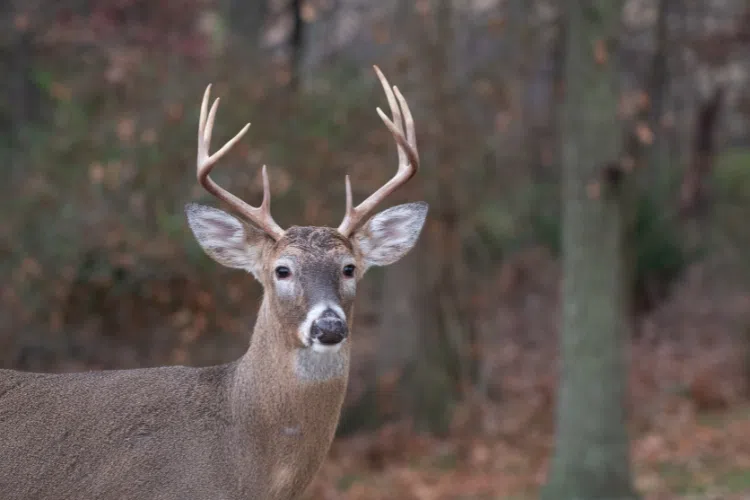
Hunting deer in North Carolina is a popular outdoor activity that requires proper licensing and adherence to state regulations. Understanding the specific license requirements is essential for both residents and nonresidents who wish to hunt deer legally. This guide will provide detailed information on the necessary permits, season dates, bag limits, and other important considerations to ensure a lawful and successful hunting experience in North Carolina.
To hunt deer in North Carolina, most hunters age 16 or older must have a valid hunting license issued by the North Carolina Wildlife Resources Commission. Youth under 16 and certain landowners and their qualifying family members may hunt deer without a hunting license on eligible lands but must still follow all seasons and limits and obtain a License-Exempt Big Game Harvest Report Card when hunting deer.
In addition to the general hunting license, specific permits or stamps may be required depending on the type of deer hunting you plan to engage in. For example, certain special seasons or zones might require additional tags.
On or after July 1, 2013, anyone purchasing a North Carolina hunting license must present either an approved hunter education certificate, a North Carolina Hunting Heritage Apprentice Permit, or a previously issued North Carolina hunting license.
To hunt deer in North Carolina, hunters must have a hunting license that includes the Big Game privilege and a Big Game Harvest Report Card, which provides the tags authorizing the harvest of a specific number of deer. Some special hunts or game land opportunities may also require additional permits issued through NCWRC’s permit hunting system.
North Carolina does not require a migratory bird stamp for deer hunting, but hunters should be aware of any special season permits or lottery systems that apply to certain deer hunting opportunities, such as controlled hunts on Wildlife Management Areas (WMAs).
The Deer hunting season in North Carolina typically runs from early September through January, with specific dates varying by weapon type and geographic zone. Archery seasons generally open earlier, followed by muzzleloader and firearm seasons.
Different regions within North Carolina may have distinct season dates and regulations, so it is important to consult the official North Carolina Wildlife Resources Commission website for the most current and detailed information.
For precise season dates and zone-specific regulations, hunters should visit the official state agency website to ensure compliance with all legal requirements.
North Carolina enforces daily and seasonal bag limits for deer to promote sustainable wildlife management. Typically, hunters are allowed to harvest a limited number of deer per season, with restrictions on antlered versus antlerless deer depending on the zone and season.
Legal hunting methods include the use of archery equipment, firearms, and muzzleloaders, each with specific season dates and regulations. Certain gear restrictions, such as the prohibition of spotlighting or the use of bait in some areas, may also apply.
Hunters should review the official regulations on the North Carolina Wildlife Resources Commission website to ensure they are following all legal hunting methods and bag limits.
Deer hunting in North Carolina is permitted on a variety of lands, including public game lands managed by the North Carolina Wildlife Resources Commission, national forests, and private lands with landowner permission. Many game lands are open to deer hunting under the general seasons and rules, while some specific tracts or hunts are offered as permit hunts through the Wildlife Commission’s permit hunting program.
Access to public lands can be explored through the North Carolina Wildlife Resources Commission’s online maps and hunting tools, which provide detailed information on available hunting areas and regulations.
Hunters are encouraged to obtain permission before hunting on private property and to familiarize themselves with local hunting laws and landowner agreements.
North Carolina requires anyone who purchases a hunting license to provide proof of hunter education or an approved alternative, such as a North Carolina Hunting Heritage Apprentice Permit or a previously issued North Carolina hunting license. This course covers essential topics such as firearm safety, wildlife conservation, and ethical hunting practices.
Youth under 16 may hunt without a license if they meet supervision or certification rules, but anyone who chooses to buy a North Carolina hunting license must first meet the hunter education or apprentice-permit requirement.
For more information and to access hunter education resources, visit https://www.ncwildlife.gov/hunting/hunter-education or https://recademics.com/hunting/North Carolina.
You can purchase your North Carolina hunting license for Deer through the North Carolina Wildlife Resources Commission. Licenses are available both online and in person at authorized vendors such as sporting goods stores and wildlife offices.
To buy online, visit the official state wildlife agency website where you can select the appropriate license type, add any necessary permits, and complete your purchase securely.
For detailed step-by-step instructions and additional information, refer to the comprehensive guide at https://recademics.com/blog/hunting/how-to-get-a-hunting-license-in-North Carolina/.
Yes, a valid North Carolina hunting license is required for all hunters pursuing deer, regardless of residency status.
Yes, some Wildlife Management Areas and special seasons require additional permits or tags, which must be obtained before hunting.
To buy a North Carolina deer hunting license, you must present either an approved hunter education certificate, a North Carolina Hunting Heritage Apprentice Permit, or a previously issued North Carolina hunting license, regardless of age; supervised license-exempt youth may hunt without purchasing a license.
Official season dates are published by the North Carolina Wildlife Resources Commission and can be found on their website.
Some landowners, their spouses, and their dependents under 18 may hunt deer on qualifying land they own or lease without a hunting license but must still follow all seasons, bag limits, and reporting rules and obtain a License-Exempt Big Game Harvest Report Card; all other hunters on private land must have a valid hunting license and the landowner’s permission.

This is a FREE Boating course.