
Take an Official State-Approved Hunter Safety Course
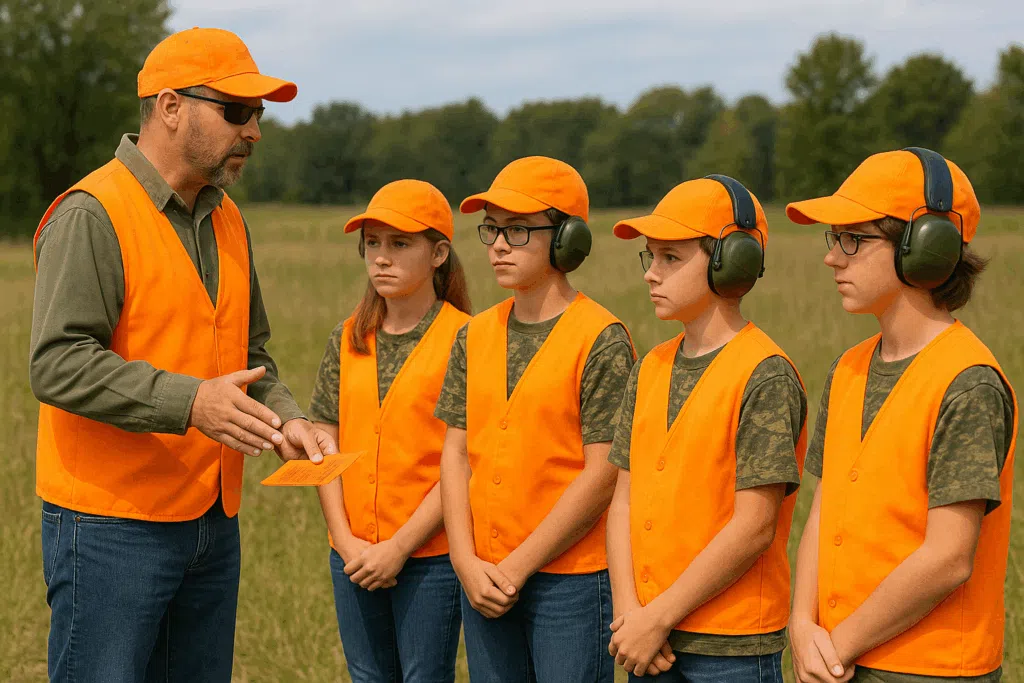
Hunter education is a crucial step for anyone interested in hunting safely and responsibly in Montana. Understanding the age requirements for enrolling in hunter education courses helps ensure that young hunters are prepared and compliant with state regulations. Montana’s hunter education program is designed to teach essential skills and knowledge to promote safe hunting practices. This article explores the minimum age requirements, exceptions, and other important details related to hunter education for youth in Montana.
In Montana, students must be at least 10 years old to register for hunter education; ages 10–11 may complete the in-person course and hunt as Apprentices, but they are not fully certified until the year they turn 12. Youth ages 12–17 can take hunter education online but must also pass a required in-person field day to be certified, while an online-only course (no field day) is available for adults 18 and older. Families should gauge a child’s maturity and review specific class listings; separately, Montana’s Apprentice Hunter program allows anyone 10 or older to hunt for up to two years under a qualified mentor without completing hunter education.
While Montana does not require a minimum age for hunter education enrollment, parental permission is typically necessary for minors to participate in the course. This ensures that parents are aware of their child’s involvement and can provide the necessary support. Additionally, for younger hunters, adult supervision is often required during hunting activities, even after completing hunter education.
In Montana, hunter education is generally required for anyone born on or after January 1, 1985, who wishes to purchase a hunting license. This requirement applies to both residents and non-residents. The state mandates that these hunters complete a state-approved hunter safety course before they can legally hunt.
This means that if you were born on or before December 31, 1984, you are exempt from the hunter education requirement, regardless of whether you live in Montana or are visiting from another state. However, if you are younger or born after that date, you must complete the course to obtain a license.
For those looking to find a state-approved hunter safety course, check out Montana’s hunter education page. Montana’s approved hunter education courses cover essential topics such as firearm safety, wildlife identification, and ethical hunting practices.
The requirement to complete hunter education is tied to birth year rather than age at the time of hunting. Therefore, even if a hunter is older but born after January 1, 1985, they must have completed the course. Hunters born before this date are exempt from the hunter education requirement but are still encouraged to take the course for safety and knowledge.
Montana does offer online hunter education courses that youth can take to fulfill the certification requirement. These online courses provide flexibility for students to learn at their own pace and convenience. The online curriculum covers all the necessary topics, including firearm safety, hunting laws, and ethical hunting practices.
However, Montana requires that students complete an in-person field day or skills session after finishing the online coursework. This field day allows students to demonstrate their practical skills, such as firearm handling and safe hunting techniques, under the supervision of certified instructors.
This hybrid approach ensures that youth not only understand the theoretical aspects of hunting safety but also gain hands-on experience before hunting independently.
The in-person field day is a mandatory component of Montana’s hunter education program. Youth must attend this session to receive their hunter education certificate. Parents or guardians often accompany their children during the field day to provide support and ensure compliance with safety protocols.
Enrolling in a youth hunter education course in Montana is a straightforward process. Interested students or their parents can start by visiting the Montana Fish, Wildlife & Parks (FWP) website or authorized course providers. The first step is to select a course format—either online with a required field day or a traditional in-person course.
Once a course is selected, students can register online or by contacting the course instructor directly. Registration typically requires providing basic information about the student and, if under 18, parental consent.
After registration, students complete the coursework and attend the mandatory field day to demonstrate their skills. Upon successful completion, they receive a hunter education certificate, which is necessary for purchasing a hunting license in Montana.
For official information and to find approved courses, visit the Montana Fish, Wildlife & Parks website at https://fwp.mt.gov/hunting/education. This site provides detailed instructions, course schedules, and contact information for instructors.
For youth participating in hunter education courses in Montana, a parent or guardian’s involvement is often required, especially for minors. During in-person components such as field days or test sessions, parents or guardians may need to accompany their child to provide consent and ensure proper supervision.
While the online portion of the course can be completed independently by older youth, parental support is encouraged to help younger students understand the material and prepare for the practical skills session.
Additionally, parents or guardians are responsible for ensuring that their children comply with all hunting laws and safety requirements once certified.
When registering a minor for hunter education, parental consent is typically required. This consent confirms that the parent or guardian is aware of the course content and supports the youth’s participation. It also helps instructors communicate important information about course logistics and safety protocols.
Once a hunter education certificate is earned in Montana, it is valid for life. This lifetime validity means that hunters do not need to retake the course or renew their certification to maintain eligibility for purchasing hunting licenses in Montana.
Moreover, Montana’s hunter education certificate is recognized in other states through reciprocal agreements. This recognition allows hunters certified in Montana to hunt legally in many other states without needing additional hunter education courses.
Such reciprocity facilitates hunting opportunities for Montana residents who travel out of state and for non-residents who have completed hunter education in Montana.
The reciprocal recognition of hunter education certificates helps promote consistent safety standards across states. Hunters should always verify specific state requirements before hunting out of state, but Montana’s certification is widely accepted as proof of hunter education completion.

This is a FREE Boating course.