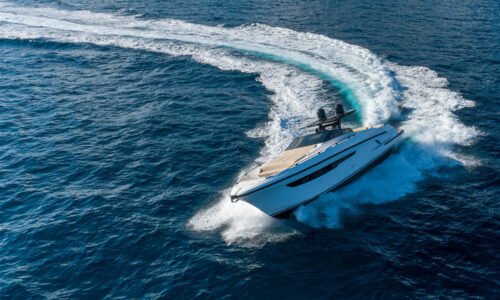
Renting a Boat in California
What Rental Companies Usually Require
- Government-issued photo ID, signed rental/waiver forms, and a security deposit.
- Minimum age to rent (often 18 or 21) and to operate; companies may require an adult to be on board with younger operators.
- Compliance with state age/supervision rules and any lake- or marina-specific restrictions (no-wake zones, speed limits, local permits).
- Demonstrated basic competency; some outfitters may request prior experience or a boater education card even though renters are exempt by law.
- Agreement to fueling, damage, and late-return policies.
Safety Briefings and On-Site Training Options
Most California marinas conduct a pre-departure safety briefing covering vessel controls, life jackets, navigation markers, local hazards, emergency procedures, and docking. Many provide quick hands-on familiarization—especially for pontoons and personal watercraft (PWCs)—before you leave the dock. Ask for demonstrations if you’re new to boating.
Age Requirements for Boat Rentals
- Under 16: May not operate a motorboat of more than 15 hp (including PWCs) unless directly supervised on board by a person 18+ who is eligible and compliant with state rules. Separate local or rental-company restrictions may be stricter.
- Ages 12–15 (with supervision): May operate >15 hp motorboats or PWCs only when directly supervised on board by a person 18+ who meets state requirements.
- 16+: May operate motorized vessels if compliant with state law. While renters are exempt from the Boater Card requirement, rental companies can impose their own experience/education rules.
Types of Boats That Require a Boater Card
California uses a boater education card (the California Boater Card), not a driver-style license. The card is required for operators of motorized vessels (including PWCs and motorized sailboats). Human-powered craft (kayaks, canoes, SUPs) do not require a card. Note: renters are exempt from the card requirement but must still follow all other laws and any rental-company rules.
Out-of-State Visitors or Tourists – What Rules Apply?
- Short-term visitors may operate in California if they meet their home state’s requirements (generally up to 60 days for U.S. residents and 90 days for international visitors).
- If you’re renting, the rental-vessel exemption applies; however, marinas may still ask for proof of competency or provide mandatory safety briefings.
Exceptions for Captained or Guided Rentals
If a licensed captain or guide operates the vessel, passengers do not need a Boater Card. Everyone on board must still comply with safety equipment rules and crew instructions.
How to Get a Boating Card in California
Approved Boater Education Courses
California State Parks – Division of Boating and Waterways approves courses that meet national standards. Choose an option listed by the state to ensure your certificate is recognized.
Steps to Obtain a Boating Safety Certificate
- Review California’s approved course options on the state website.
- Complete the required education covering navigation rules, state regulations, equipment, and emergencies.
- Pass the state-approved exam to qualify for the California Boater Card.
- Apply for the card (valid for life) and carry proof of completion as instructed.
Online vs. In-Person Course Options
Both self-paced online and classroom options are available. Online courses offer flexibility; in-person classes provide instructor interaction and Q&A. Confirm current availability on the state website.
How Long Does the Course Take?
Most students complete the coursework and exam in about 3–8 hours, depending on format and pace.
Penalties for Operating Without a License
Fines and Legal Consequences
If you are required to hold a California Boater Card and operate without it, fines typically range from $100 for a first offense to $250 for a second and up to $500 for subsequent offenses. Separate penalties apply for other violations such as reckless operation, required-equipment deficiencies, or boating under the influence (BUI).
Rental Company Responsibilities and Liability
- Liveries must rent only properly equipped, compliant vessels and keep renter records.
- Operators are responsible for following all state laws and rental terms; damage or violations can lead to citations and financial liability under the rental agreement.
Tips for First-Time Boaters
Safety Gear and Equipment Checklist
- U.S. Coast Guard–approved life jacket for each person; children must wear one while underway.
- Throwable device on vessels 16 feet and longer (not required on PWCs).
- Sound-producing device (whistle or horn), navigation lights (as applicable), and fire extinguisher(s) where required.
- Anchor and line appropriate for local depth/bottom, first-aid kit, sun protection, drinking water, and a charged phone or VHF (where applicable).
Navigation Rules Every Renter Should Know
- Maintain a proper lookout and safe speed; obey no-wake zones and posted restrictions.
- Pass port-to-port when meeting head-on, and yield to less maneuverable vessels.
- Give extra space to paddlers, anglers, swimmers, and enforcement or rescue craft.
- Never operate under the influence of alcohol or drugs.
How to Prepare for a Safe Day on the Water
- Check weather, wind, and local advisories before departure.
- Walk through a pre-departure checklist with rental staff and file a simple float plan.
- Practice starting, stopping, turning, and docking at idle speed before heading to busy areas.
Frequently Asked Questions
Can I rent a boat if I’m visiting from another state?
Yes. Visitors must follow California’s rules. If you rent a vessel, the rental-vessel exemption applies, but the rental company may still require proof of competency and will provide safety instructions.
Do I need a boating license for jet skis or personal watercraft?
PWCs are motorized vessels. While renters are exempt from the California Boater Card requirement, you must meet age/supervision rules and any rental-company policies. Many marinas require additional briefings for PWCs due to their speed and handling.
Is my boater card from another state valid in California?
California does not grant full reciprocity for residents; California residents generally need a California Booter Card when the card requirement applies. Short-term visitors operating their own vessels may use a home-state card during the permitted visit period. For rentals, the rental-vessel exemption applies, subject to rental-company rules.