
Before taking to the woods, make sure you purchase the correct licenses and are familiar with Michigan DNR’s official regulations.
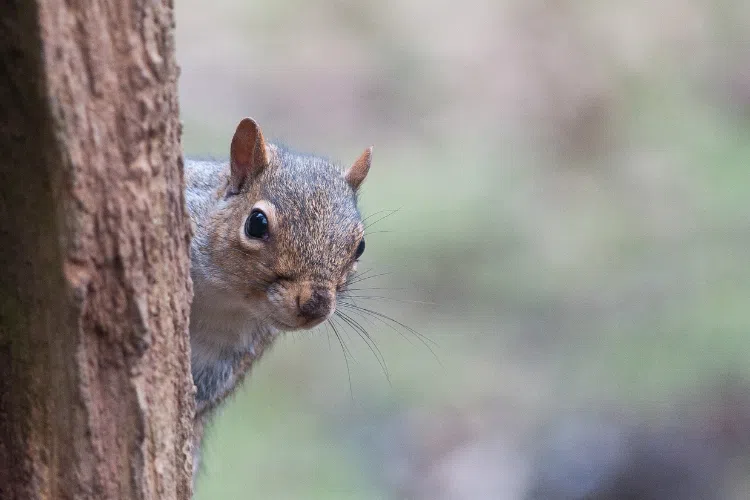
Hunting small game in Michigan is a popular outdoor activity that requires proper licensing to ensure compliance with state regulations. Whether you are a resident or a nonresident, understanding the specific license requirements is essential before heading out into the field. The Michigan Small Game license is designed to regulate hunting of species such as rabbits, squirrels, and other small game animals, helping to maintain sustainable populations and promote safe hunting practices. This article will guide you through the necessary licenses, permits, season dates, and other important details to help you prepare for a successful small game hunting experience in Michigan.
To hunt Small Game in Michigan, you’ll need a valid hunting license issued by the Michigan Department of Natural Resources (DNR). Both residents and nonresidents are required to have a hunting license to legally pursue small game species within the state.
Here is what you need to know:
It is important to carry your hunting license with you while hunting and to be familiar with all state regulations to avoid penalties.
While the Michigan Small Game license generally covers the hunting of most small game species, there are additional permits and stamps that hunters may need depending on the species and hunting method.
For example, if you plan to hunt waterfowl such as ducks or geese and you are 16 years of age or older, you must have a Federal Migratory Bird Hunting and Conservation Stamp (commonly known as a Duck Stamp) in addition to your required Michigan licenses. This stamp is required by federal law and helps fund wetland conservation efforts.
Small game hunting in Michigan does not typically require entry into a lottery or draw system, nor are there special season permits specifically for small game species. However, hunters should always verify current regulations as they can change annually.
Hunters pursuing migratory birds must also register with the Harvest Information Program (HIP), which is a federal requirement to help monitor migratory bird harvests. Registration is free and can be completed online or through license vendors.
Small game hunting seasons in Michigan vary by species, but many major seasons – such as squirrel and cottontail rabbit – run statewide from mid-Sept. through March, so hunters should always check the current Michigan DNR small game season dates for each species.
Because season dates can vary by region and species, it is essential to consult the official Michigan Department of Natural Resources website for the most current and detailed season information. This ensures compliance with all regulations and helps hunters plan their outings effectively.
Michigan enforces daily bag limits and legal hunting methods to promote sustainable small game populations and ethical hunting practices. For many small game species such as squirrels and rabbits, the daily bag limit is typically set at a reasonable number to prevent overharvesting.
Legal hunting methods include the use of firearms, archery equipment, and certain types of air rifles, depending on the species and season.
Hunters must also adhere to safety zone requirements, such as minimum distances from dwellings and roads, and must respect private property boundaries unless permission is granted.
For the most accurate and up-to-date information on bag limits and legal hunting methods, refer to the Michigan DNR’s official hunting regulations.
Michigan offers abundant opportunities for small game hunting across a variety of public and private lands. Public lands such as Wildlife Management Areas (WMAs), state forests, and certain state parks provide accessible hunting grounds for small game enthusiasts.
The Michigan Department of Natural Resources manages numerous WMAs specifically designated for hunting and wildlife conservation. These areas often have maps and detailed information available online to help hunters locate suitable hunting spots.
In addition to public lands, hunters may pursue small game on private property with the landowner’s permission. It is crucial to obtain explicit permission before hunting on private lands to avoid trespassing violations.
To find public hunting lands and access maps, hunters can visit the Michigan DNR’s online public land hunting maps and tools. These resources provide detailed information on land boundaries, access points, and hunting regulations specific to each area.
Michigan requires hunters born after January 1, 1960, to complete a state-approved hunter education course before purchasing a hunting license. This course covers essential topics such as firearm safety, ethical hunting practices, wildlife conservation, and Michigan hunting laws.
The hunter education course can be completed in-person or online through approved providers. Upon successful completion, hunters receive a certification that must be presented when applying for a hunting license.
There are exceptions for hunters under a certain age or those hunting under direct supervision of a licensed adult, but these exceptions are limited and should be reviewed carefully.
For more information on hunter education requirements and to find approved courses, visit https://www.michigan.gov/dnr/things-to-do/hunting/education or https://recademics.com/hunting/Michigan.
You can purchase your Michigan hunting license for Small Game through the Michigan Department of Natural Resources. The DNR offers multiple convenient options for obtaining your license.
Online purchases can be made through the official Michigan DNR website, allowing hunters to quickly and securely buy licenses from anywhere. This method also provides access to additional permits and stamps that may be required.
Alternatively, licenses can be purchased in person at authorized license vendors such as sporting goods stores, DNR offices, and other retail locations throughout Michigan.
Before purchasing, ensure you have completed any required hunter education courses and have all necessary documentation ready.
For detailed step-by-step instructions and additional information on purchasing a hunting license in Michigan, visit https://recademics.com/blog/hunting/how-to-get-a-hunting-license-in-Michigan/.
No, a Michigan Small Game license generally covers all small game species. However, hunting migratory birds requires a federal Migratory Bird Stamp and HIP registration.
Hunters born after January 1, 1960, must complete hunter education to purchase a license. There may be exceptions for youth hunters under supervision; check the Michigan DNR for details.
You can hunt small game on designated public lands such as Wildlife Management Areas and state forests. Always verify specific area regulations and obtain permission for private lands.
Yes, the license is valid for the duration of the small game hunting season as defined by the Michigan DNR, but always confirm season dates annually.
The Michigan Department of Natural Resources website is the authoritative source for all hunting regulations, season dates, bag limits, and licensing requirements.

This is a FREE Boating course.